




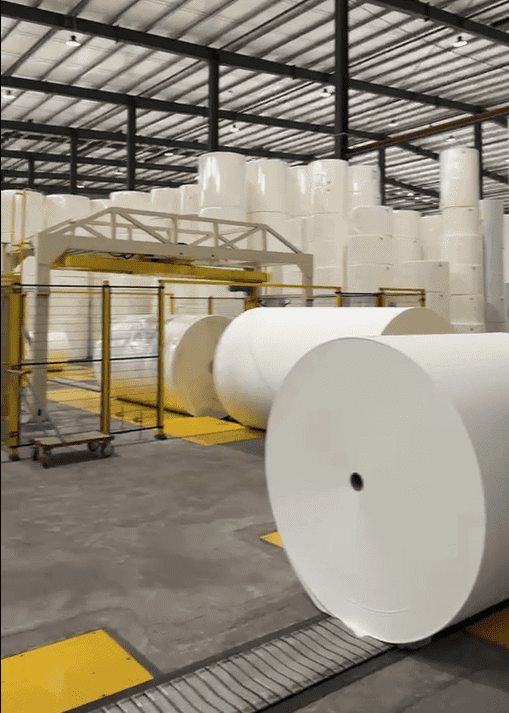
Know more about Lotion Tissue?
Manufacturing Technology, Raw Materials, and Quality Standards
In recent years, lotion tissue and lotion facial tissue have emerged as premium upgrades in the tissue paper industry. By combining high-quality tissue base paper with skin-care grade moisturizing agents, these products provide both effective cleaning and gentle skin protection.
For tissue manufacturers, converters, and brand owners, understanding the technical structure and production logic of lotion tissue is essential for product differentiation and stable quality control. This article explains the manufacturing process, material selection, performance standards, and application value of lotion tissue from a factory perspective.
What Is Lotion Tissue?
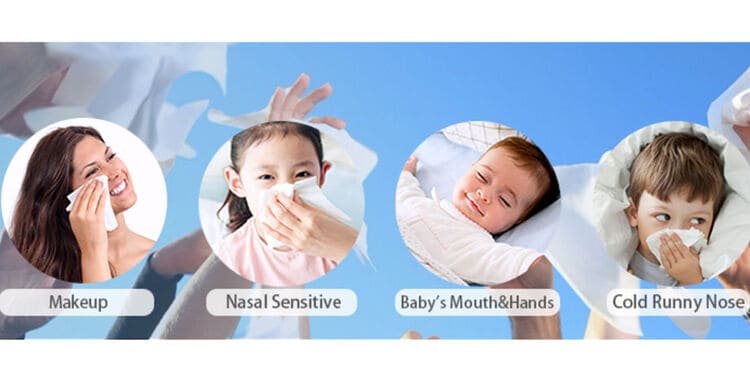
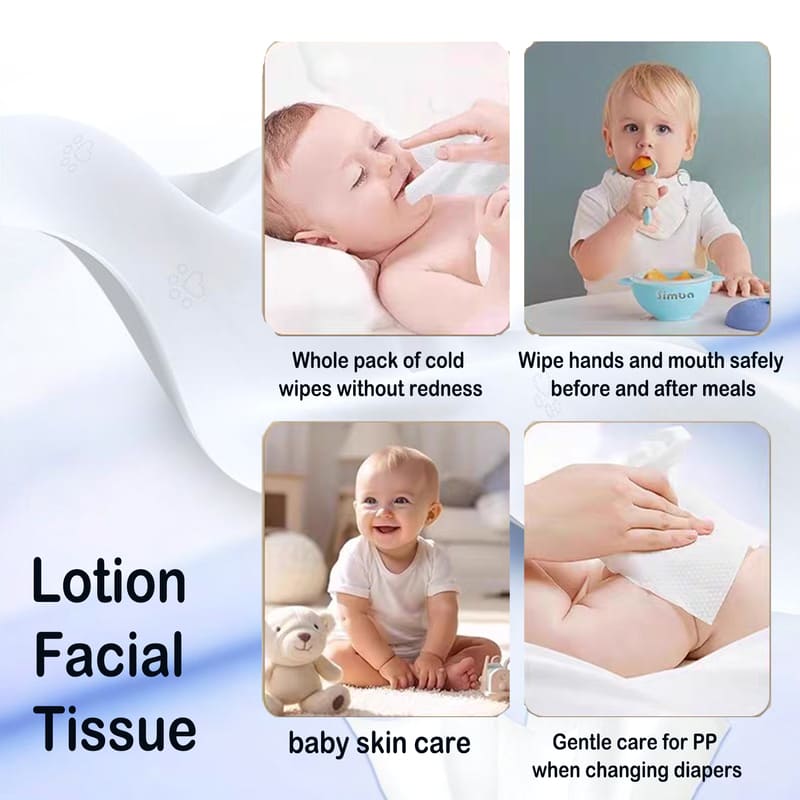
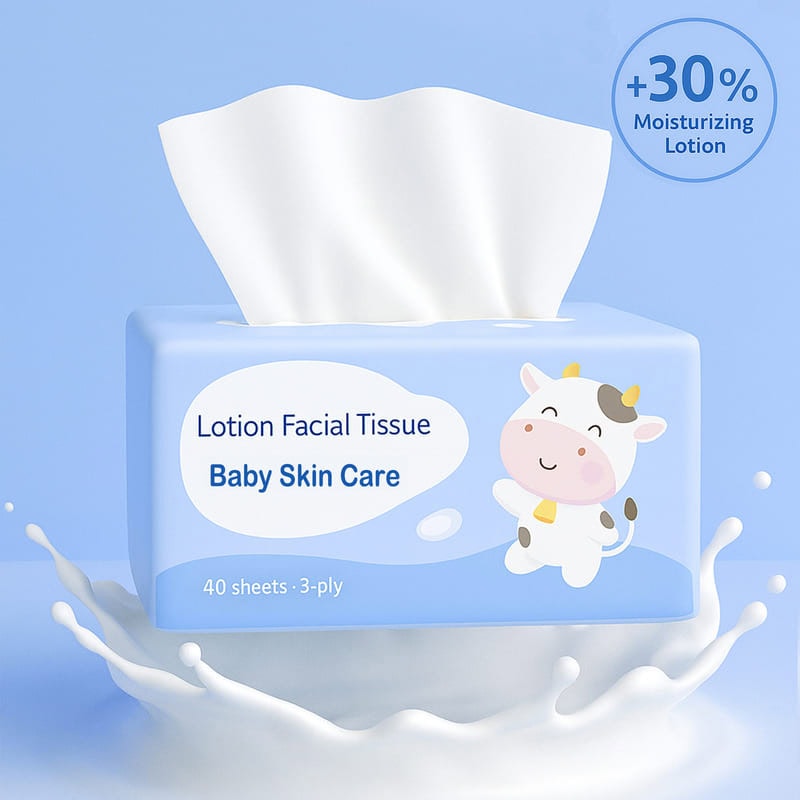
Lotion tissue is a type of facial or household tissue that contains added moisturizing ingredients, such as glycerin or natural oils. Unlike ordinary tissue, it reduces friction during wiping and helps maintain skin moisture, making it suitable for:
- Sensitive skin users
- Baby and toddler care
- Frequent nose wiping (cold, allergy, rhinitis)
- Dry or cold climates
From a manufacturing standpoint, lotion tissue is not simply “soft tissue,” but a functional tissue product that requires stricter raw material selection and more advanced coating technology.
Raw Materials Used in Lotion Tissue Base Paper
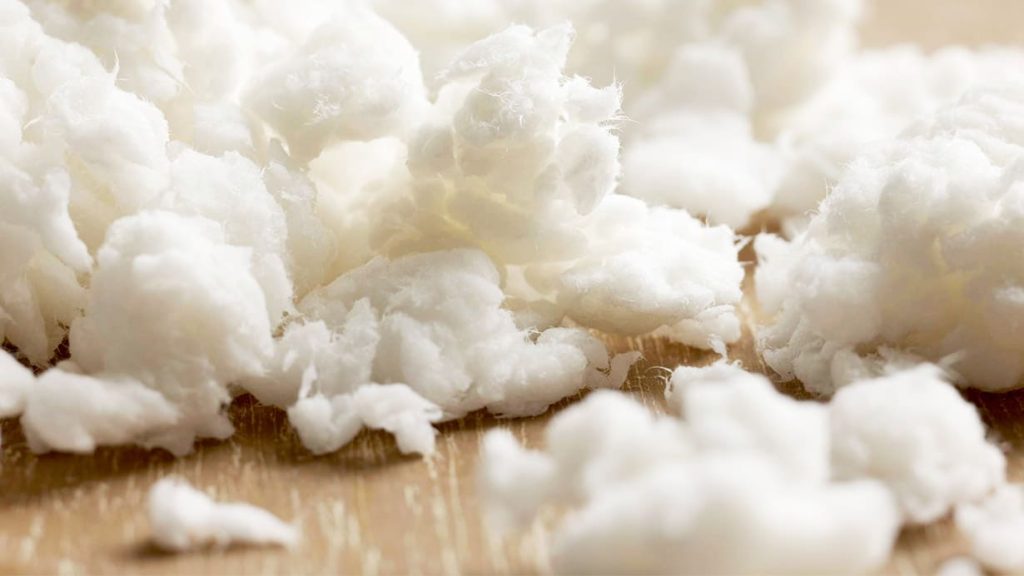
High-Quality Virgin Wood Pulp
Lotion tissue base paper is typically produced using 100% virgin softwood pulp, mainly imported pine pulp with long fiber lengths of 1.5–2.0 mm. Compared with hardwood pulp, long fibers form a more elastic and open fiber network, which improves:
- Softness
- Bulk and cushioning effect
- Lotion retention capacity
In some premium grades, a small proportion of cotton pulp or bamboo pulp is added to further enhance natural softness and skin affinity.
Fiber Purification Process
During pulping, lignin, resin, and hard impurities are thoroughly removed, leaving high-purity cellulose fibers. This step is critical for reducing surface roughness and ensuring even lotion distribution during coating.
Chlorine-Free Bleaching and Environmental Control
Most lotion tissue base paper adopts ECF or TCF bleaching processes, avoiding traditional chlorine bleaching that may produce harmful residues.
To improve efficiency and sustainability, many factories apply enzyme-assisted bleaching, which:
- Reduces bleaching chemical usage by 30–40%
- Lowers wastewater pollution load
- Improves pulp brightness stability
Proper control of bleaching parameters ensures the base paper surface remains compatible with lotion coating.
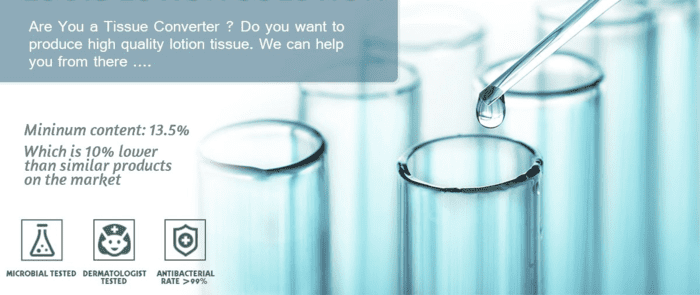
Lotion Additives and pH Control
Moisturizing Ingredients
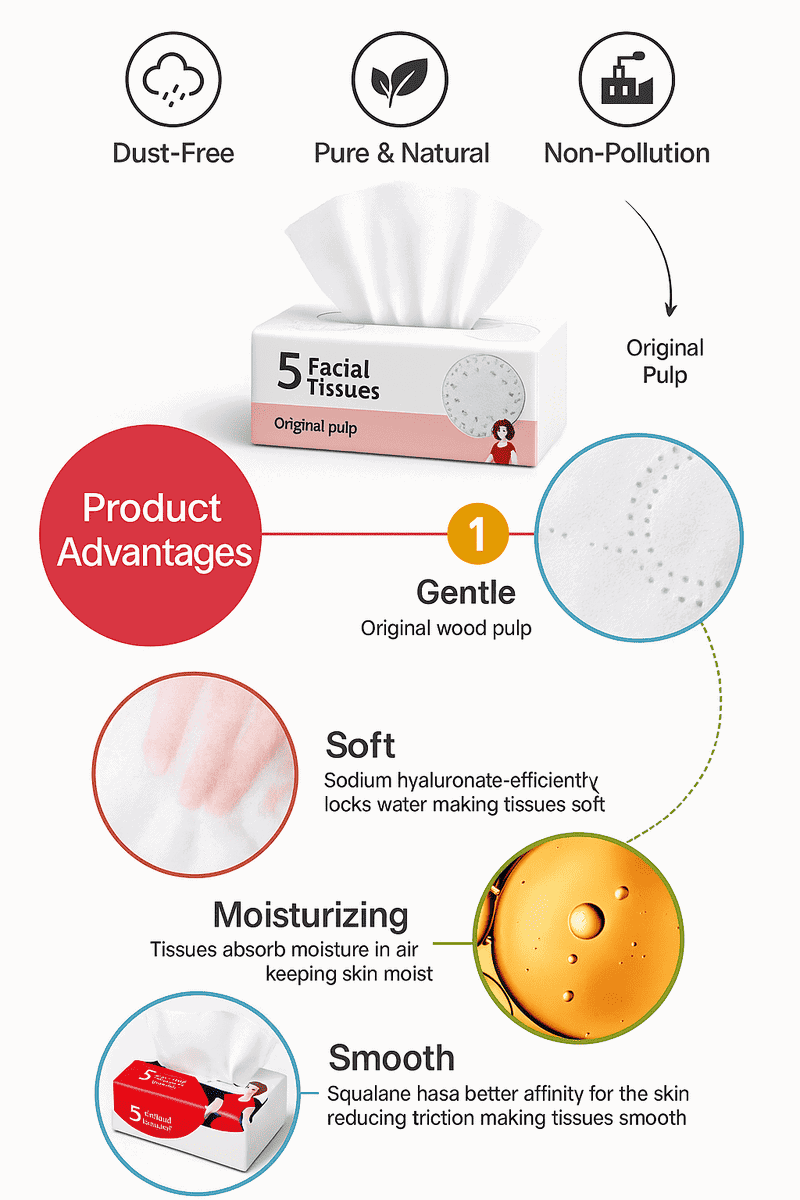
Common lotion components include:
- Glycerin
- Shea butter
- Squalane
- Sodium hyaluronate
In industrial production, the total lotion content is usually controlled between 0.3% and 0.8% by weight. This range ensures effective moisturizing without causing paper stickiness or handling issues.
Skin-Friendly pH Adjustment
To match human skin conditions, lotion tissue is adjusted to a weakly acidic pH range of 5.2–5.8, which helps minimize irritation and supports skin barrier protection.
Manufacturing Process of Lotion Tissue
Low-Refining Pulping Technology
Compared with standard facial tissue, lotion tissue uses a lower refining degree (20–30°SR). This preserves fiber length and creates a micro-porous structure that:
- Improves softness
- Reduces friction during wiping
- Enhances liquid absorption balance
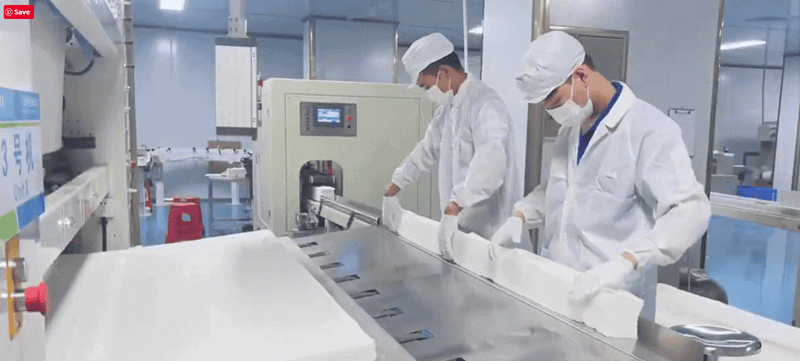
Multi-Ply Structure Design
Most lotion tissues are produced in 3-ply or 4-ply structures. Instead of chemical adhesives, layers are bonded through air-flow fiber entanglement, maintaining softness while ensuring sufficient strength in both dry and wet states.
Microencapsulation Coating Technology
The key differentiator of lotion tissue lies in microencapsulation coating. Moisturizing ingredients are encapsulated and applied evenly onto the tissue surface.
These microcapsules release lotion gradually when triggered by:
- Friction
- Moisture
- Body temperature
This controlled release mechanism ensures consistent skin protection during use without affecting paper integrity.
Key Quality Performance Indicators
Softness and Surface Performance
- Coefficient of friction: 0.12–0.18
- Significantly smoother than ordinary tissue
- Reduced skin irritation during repeated wiping
Absorbency and Strength
- Fast liquid absorption (1–3 seconds)
- High wet tensile strength
- Stable structure after multiple wipes
Moisturizing Effect
Laboratory tests show that high-quality lotion tissue can increase skin moisture levels by up to 35%, while preventing excessive moisture loss caused by ordinary tissue.
Safety Standards and Certifications
Commonly Applied Standards
- GB/T 20808 – Tissue paper standard
- GB 43631 – Infant and children paper product safety standard
Safety Control Indicators
- No fluorescent whitening agents
- Strict heavy metal limits
- Low microbial content
- Controlled chemical residues
Optional International Certifications
- FSC™ Forest Certification
- ISO 9001 Quality Management
- FDA food-contact compliance (when applicable)
Application Value for Brands and Distributors
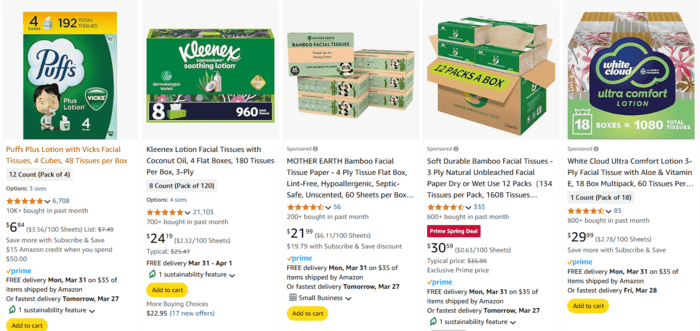
For brand owners and distributors, lotion tissue offers clear advantages:
- Premium positioning and higher perceived value
- Strong differentiation from standard facial tissue
- Growing demand in baby care and sensitive skin markets
- Better user experience in dry or cold regions
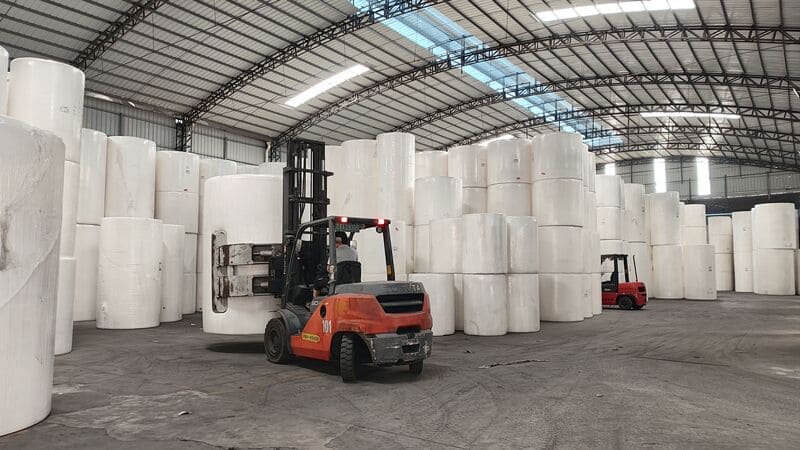
For factories, lotion tissue represents a high-value product category that supports OEM and ODM customization.
Conclusion
Lotion tissue and lotion facial tissue reflect the ongoing upgrade of the tissue industry from basic hygiene products to functional, skin-care-oriented paper solutions.
Through advanced fiber selection, chlorine-free processing, multi-ply structure design, and microencapsulation coating technology, manufacturers can produce lotion tissue with superior softness, strength, and moisturizing performance.
As global demand for premium tissue products continues to grow, lotion tissue base paper will remain a key focus area for tissue factories seeking long-term competitiveness.
Work with a Professional Lotion Tissue Base Paper Manufacturer
As an experienced tissue paper manufacturer in China, YuanhuaPaper supplies high-quality lotion tissue base paper and parent rolls for global converters and brands.
With stable pulp sourcing, precise lotion coating technology, and flexible OEM/ODM capabilities, we help you develop soft, skin-friendly lotion tissue products with consistent performance.
📩 Contact us to discuss your lotion tissue jumbo roll requirements and receive a professional quotation.
